
Building a great portfolio website is no longer just an option for aspiring designers, students, or freelancers, it’s a must-have for anyone looking to showcase their skills, stand out in a crowded market, and take the next step in their creative career.
Whether you’re working on your first student portfolio or looking to refresh your online presence, understanding the fundamentals of portfolio design will set you apart and open up more opportunities.
What is a Portfolio Website?
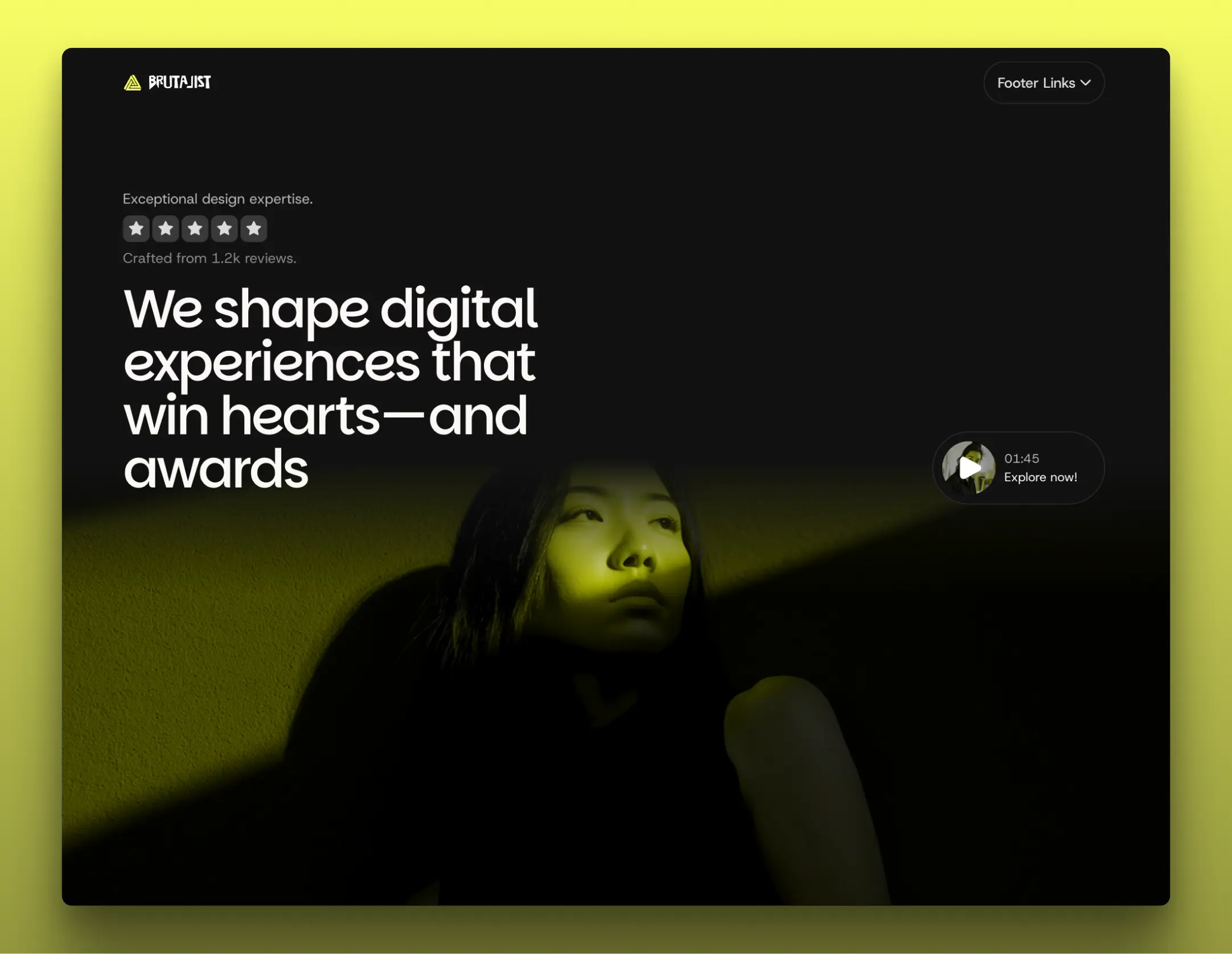
A portfolio website is your personal online hub where you present your best projects, skills, and experiences to the world. Unlike a simple resume or social media page, a portfolio website gives you full control over your personal brand and lets you highlight your unique style, process, and growth as a designer or creative professional.
For students and junior designers, building a portfolio website is one of the most effective ways to transition from education to employment or freelance work. It’s not just about “my portfolio” or a collection of projects—it’s your professional story, told through visuals, words, and interactive elements.
Today, employers, agencies, and clients expect to see your work showcased in a clean, organized, and mobile-friendly format.
A strong portfolio design demonstrates more than just finished work, it shows your ability to communicate, organize information, and present yourself with clarity. For students, this means having a student portfolio that’s more than just class assignments—it’s about crafting your narrative and making your mark in the creative world.
Portfolio Website Requirements
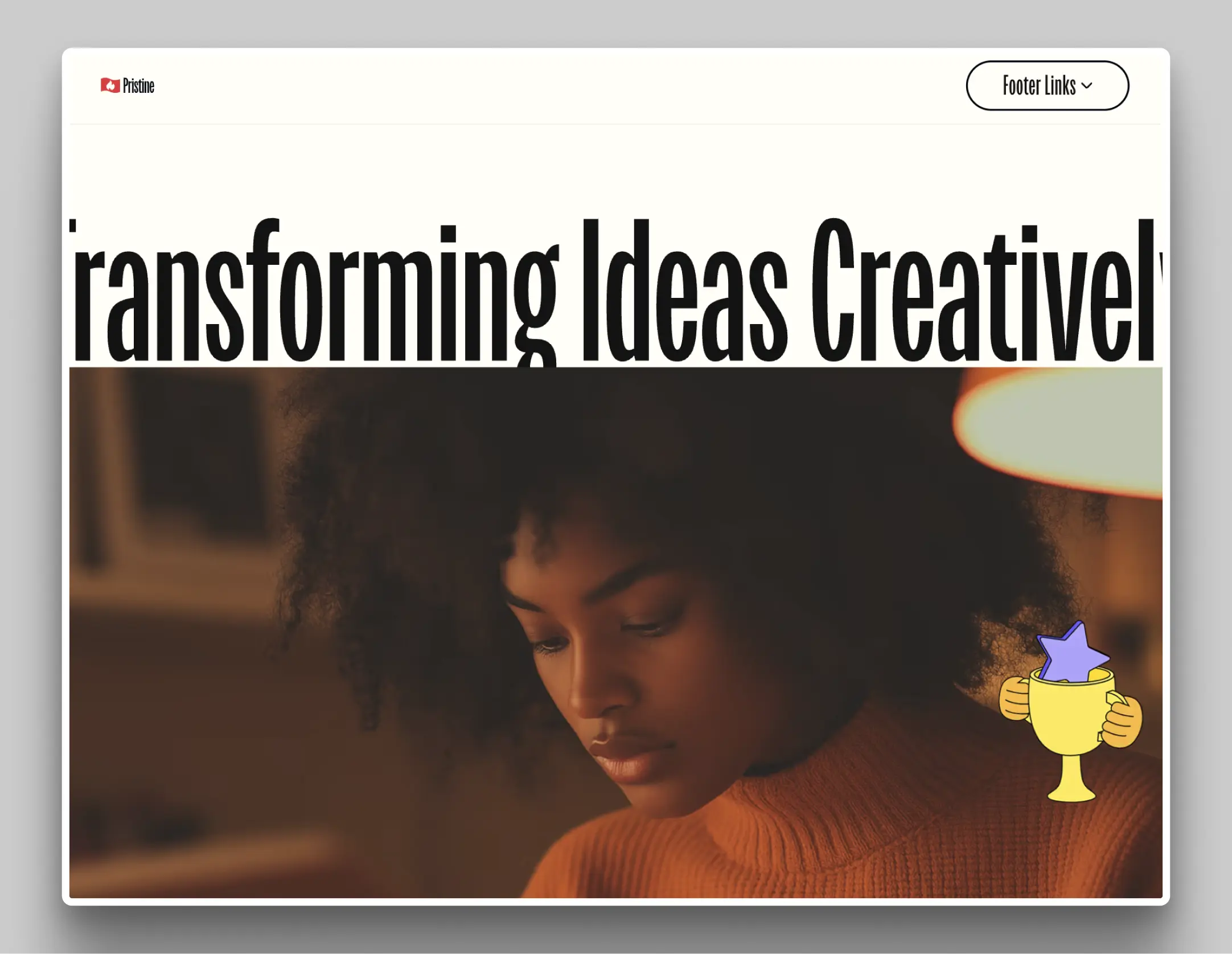
Creating a portfolio website can feel overwhelming, especially for students or those building their first portfolio design for students. However, focusing on a few essential sections will help you get started quickly and effectively. Here are the must-have requirements for a modern student portfolio:
- Homepage: This is your first impression—make it count with a clean introduction, a quick summary of who you are, and maybe a highlight of your best work.
- About Page: Share your background, what you’re passionate about, and what makes your approach unique.
- Project/Work Samples: For students, this could include class projects, internships, freelance gigs, or even personal design experiments. For each project, include context, your process, and outcomes.
- Resume or Skills Section: Employers love to see your education, certifications, skills, and relevant experience right on your portfolio website.
- Contact Form or Details: Make it easy for recruiters, agencies, or clients to get in touch with you.
- Optional: Blog, testimonials, awards, or a downloadable resume.
When brainstorming portfolio design ideas for students, prioritize clarity, ease of navigation, and a structure that highlights your growth and potential.
Your site should answer: Who are you? What can you do? What have you made? And how can someone work with you?
Portfolio Website Examples
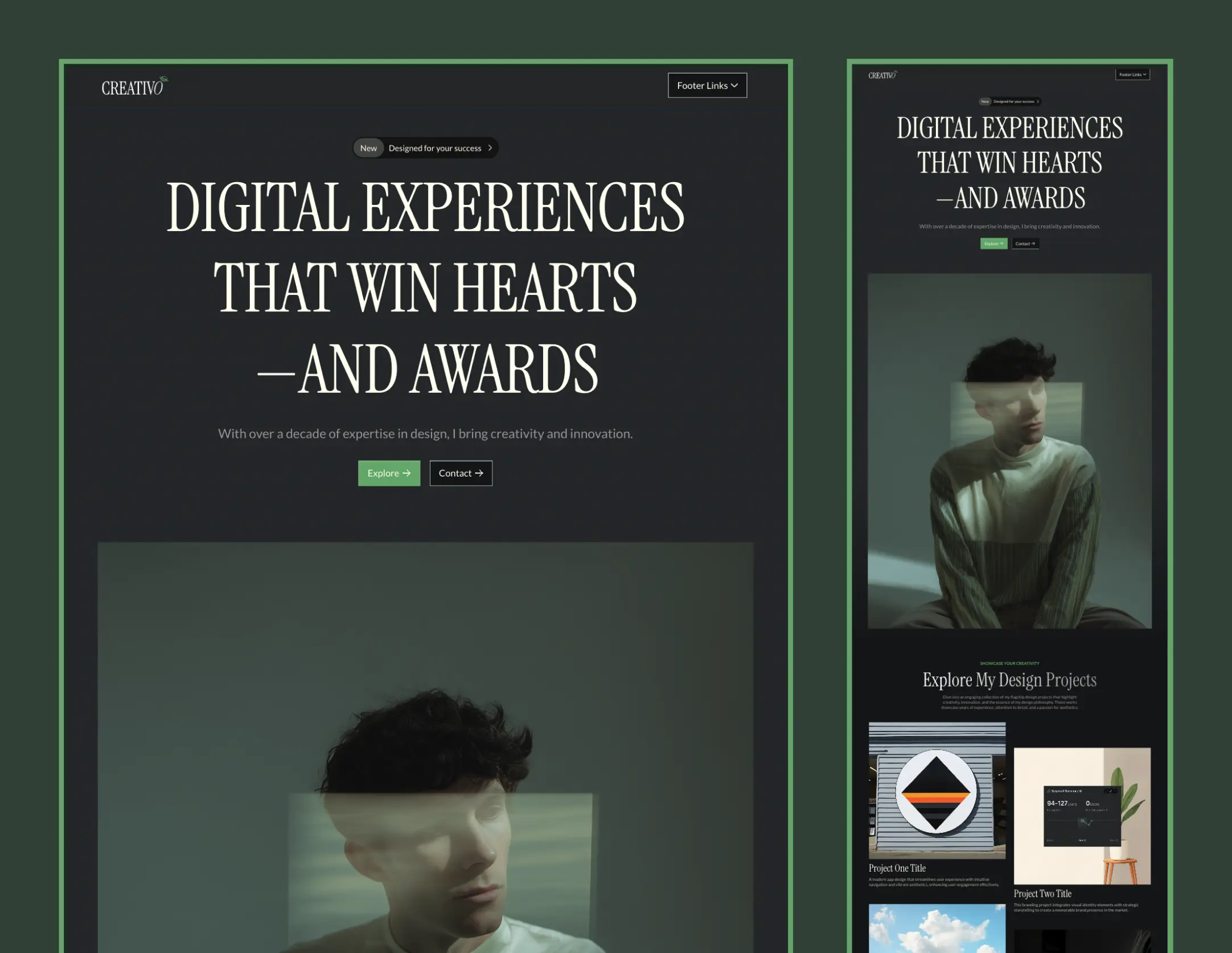
- Warsaw – Digital Artist Portfolio Example
The Warsaw portfolio website is a striking example of how bold design and thoughtful layout can help digital creators and student designers memorably showcase their work. The homepage immediately captures attention with a high-contrast, neon-accented hero section and a welcoming headline, setting a creative and energetic tone from the start.
Key sections are clearly separated, guiding viewers through the artist’s story, featured projects, and a showcase of skills in areas like graphic design, web design, user experience, and user interface design.
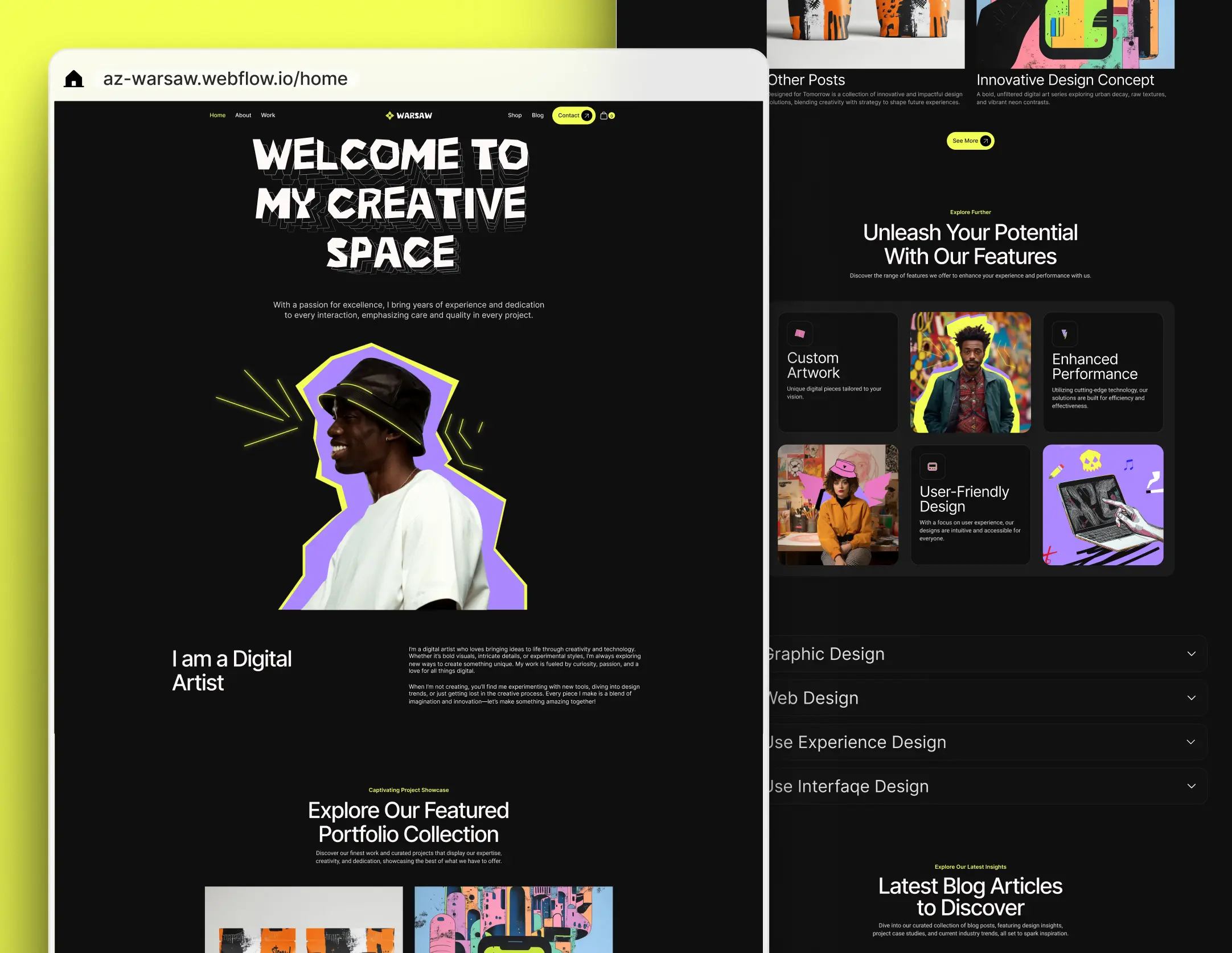
What makes this style especially suitable for student portfolios and digital creators is its focus on personality and versatility. The Warsaw layout proves that you don’t need complex navigation or heavy animations to stand out—just clear storytelling, a consistent visual identity, and easy access to your best work.
With Modulify, you can design a portfolio website inspired by Warsaw without any coding experience. Modulify lets you quickly build similar sections, customize colors, and adapt the layout to your unique needs.
Whether you’re building your first student portfolio or looking for new portfolio design ideas, Modulify gives you the flexibility and creative freedom to launch your site faster, so you can focus on growing your skills and your audience.
- Elora – Clean Portfolio Website Example
The Elora portfolio website is a fantastic example of how clean, modern design can make a strong impression for students, junior designers, and freelancers. With a welcoming hero section, bold headline, and friendly portrait, the site instantly establishes a personal connection and a memorable brand identity.
Key achievements are highlighted at the top, showcasing credibility and experience—an effective tactic for student portfolios and those just starting out. The “Latest Projects” section uses stylish card layouts and subtle shadows to guide visitors through each project, blending visual storytelling with professionalism.
Skill highlights and a blog section (“Creative Chronicles”) add extra depth, making it easy for recruiters to see your strengths and thought process. The gentle pastel color palette and clean typography ensure the design is approachable and easy to navigate, while the workspace photo adds a human touch.
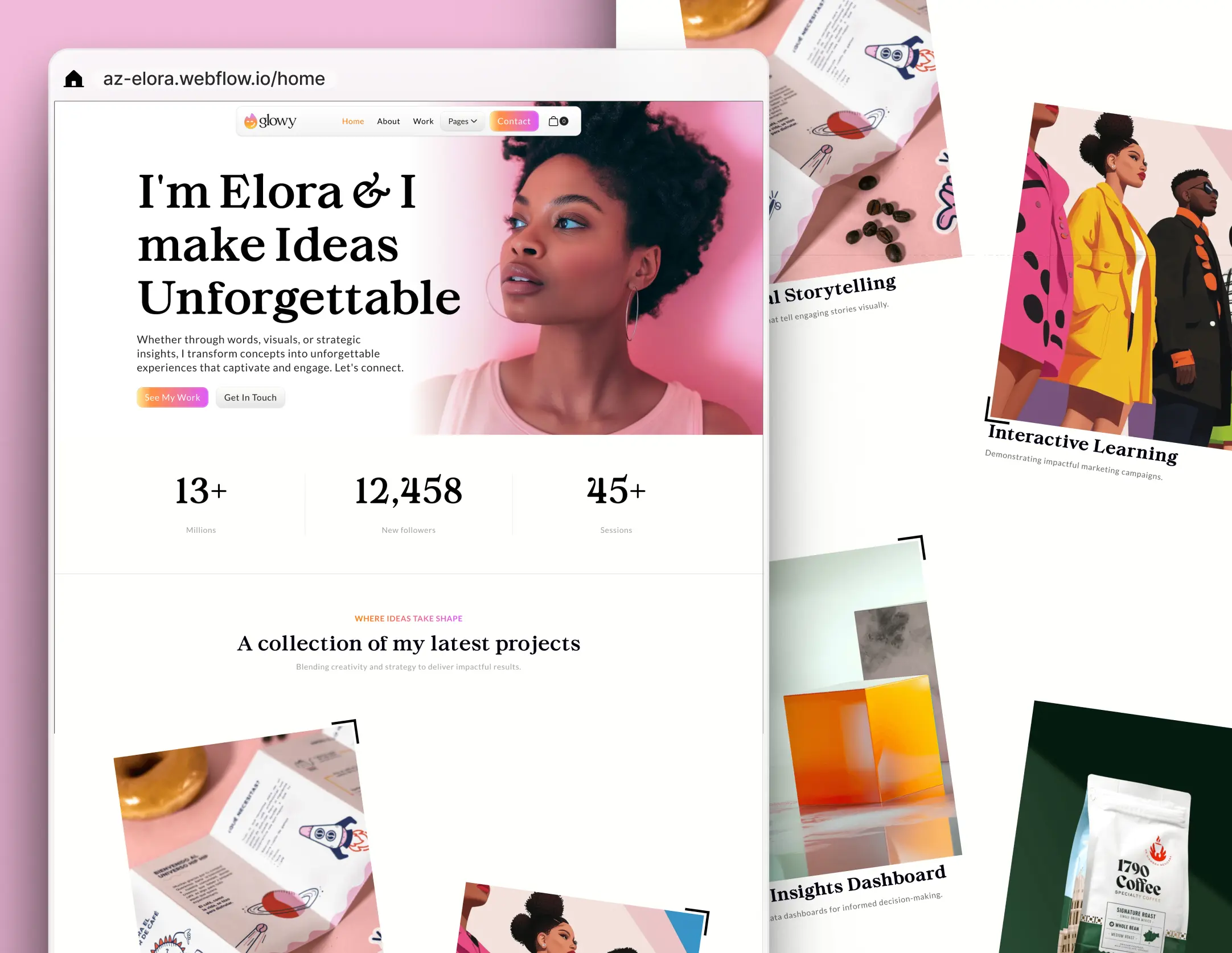
Elora is a great template for anyone searching for portfolio design ideas for students or digital creators. With Modulify, you can build a portfolio website like Elora—no coding required. Effortlessly customize your layout, showcase your best work, and adapt your site to reflect your creative style and goals.
- Riyadh – Dark theme Portfolio Website Example
The Riyadh portfolio website stands out with its bold, modern visuals and an unmistakable creative flair. Featuring a large, colorful hero image and oversized headline, the design instantly communicates confidence, making it an excellent choice for students, junior designers, and freelancers looking to make a strong first impression.
Projects are organized in clear, color-coded blocks for categories like Branding, Interactive Design, and UI/UX Design, allowing visitors to quickly understand your strengths and navigate your work.
The site’s dark background and neon accents highlight each section and give the portfolio a contemporary, digital edge. A dedicated “Highlighted Stories” blog area lets you showcase case studies or share insights, adding extra value for recruiters or clients who want to learn about your process and expertise.
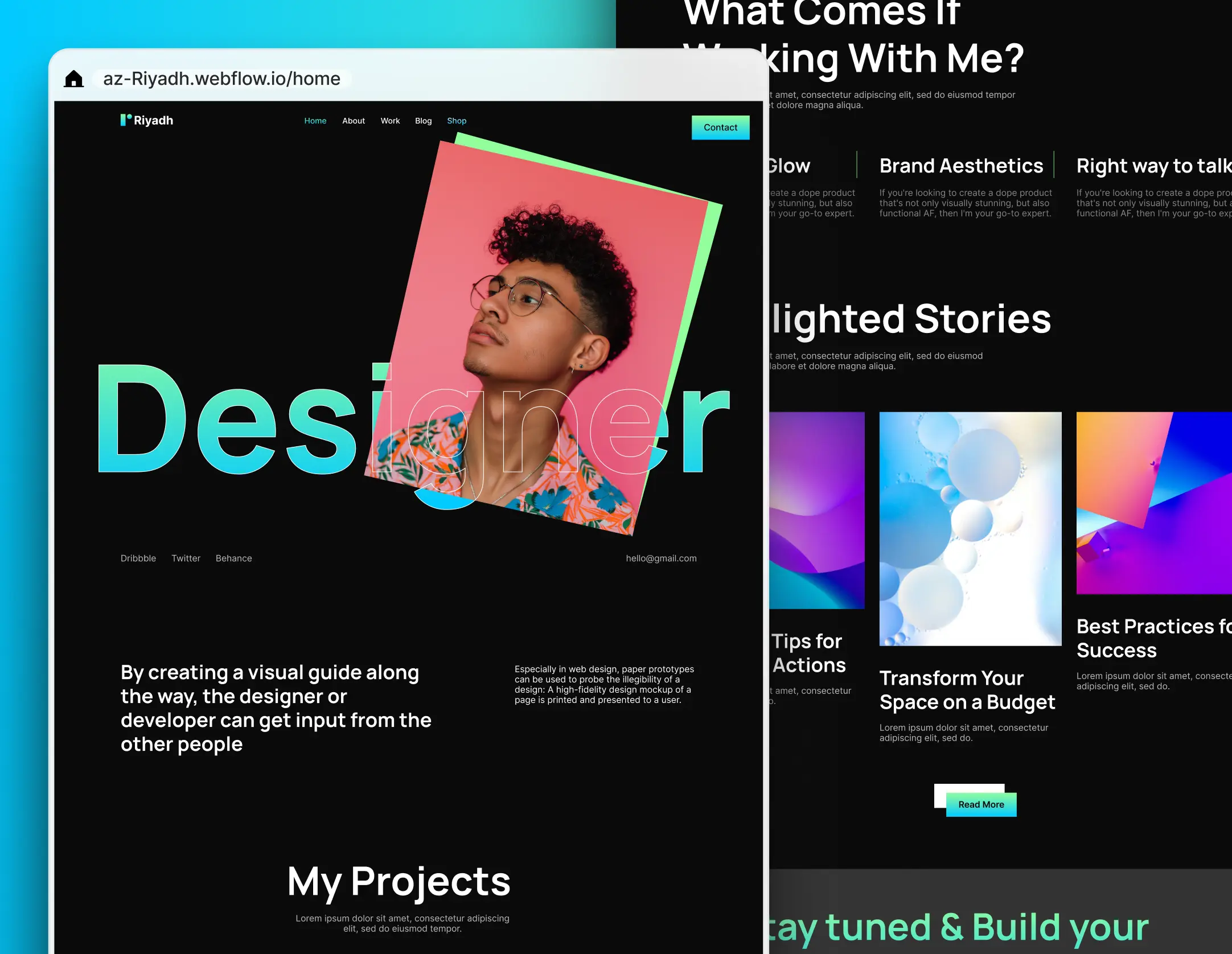
Riyadh is a perfect example for anyone seeking portfolio design ideas for students or digital creators who want something professional yet highly personalized.
With Modulify, a portfolio in this spirit is straightforward and code-free. Describe the feel you are after, refine the type, spacing and colour until it is yours, and keep adding projects as you finish them, so you can launch quickly and focus on growing your skills, audience, and opportunities.
How to Design a Portfolio Website
Designing a portfolio website used to mean choosing between a template that constrained you and a build process that needed code. Neither is necessary now. With Modulify you describe the portfolio you want and get a complete, responsive site back, then refine it until it feels like yours.
Start with the description rather than the layout. Name the pages you need, the kind of work you want to lead with, and the impression you are after. Something like: a portfolio for a junior UX designer, with a hero introducing me, four case studies showing process and outcomes, an about page, and a contact form. Calm and confident, lots of white space, work-led.
What comes back is the real site rather than a mockup: every page, already responsive, with the structure a portfolio needs. From there you refine it by describing changes, clicking a section to point at exactly what you mean, or typing straight over any text on the page.
Put your case studies in a collection rather than typing them onto a page one at a time. Ask for it once and you can add projects as you finish them, without touching layout. That matters more than it sounds, because a student portfolio has to keep growing through your first few roles.
When it is ready, publishing is one button. The free plan puts it live on a Modulify subdomain with analytics included, and a paid plan puts it on your own domain, which is worth having on a CV.
Conclusion
Launching your own portfolio website is one of the most impactful moves you can make as a student, junior designer, or freelancer. The right portfolio design showcases your talent, builds credibility, and connects you to real-world opportunities.
By focusing on key portfolio requirements, drawing inspiration from the best portfolio websites, and using a tool like Modulify, you can create a student portfolio that truly represents your skills and ambitions, without any technical barriers.
Ready to take control of your creative future? Try Modulify today and experience how easy it is to design, update, and launch a professional portfolio website, no matter where you are in your journey. In a world where “my portfolio” opens doors, make sure yours is the key that stands out.